

A museum visit can change the way you see a familiar image. The size of the original, the texture of its support, and its relationship to neighboring works often reveal things a screen reproduction cannot. Japan offers many approaches to this experience, from broad historical collections to museums focused on one artist or medium. The five institutions below provide useful starting points for an interest in painting, drawing, and printed art.
Tokyo National Museum: a broad historical context
Tokyo National Museum in Ueno is a strong place to begin when you want Japanese painting to sit within a wider cultural history. Its Honkan presents Japanese art across different periods and media. A painting can be considered alongside objects that help explain its historical setting. This broad approach is especially useful if you are still learning to distinguish formats such as handscrolls, hanging scrolls, screens, and prints.
Before visiting, consult the museum’s official exhibition and display information. A collection contains more than can be shown at one time, and sensitive works on paper or silk may rotate. Choose a small number of questions rather than trying to remember every label. You might focus on how one period handles space, or how different supports affect the way an image is viewed.
Kyoto National Museum: painting and historical traditions
Kyoto National Museum offers another perspective through its collections and exhibitions, including religious paintings, portraits, and scrolls. Kyoto’s historical institutions and temple culture make this an especially meaningful context for studying painting. The museum’s collection pages provide introductions to selected works, while actual display schedules determine what a visitor can see on a particular date.
Pay attention to the relationship between image and function. A portrait, a religious painting, and an illustrated narrative may ask for different kinds of attention. Their formats can also shape the experience: a vertically presented scroll differs from a horizontal sequence. Understanding these distinctions helps you look beyond a general impression of “Japanese style” toward the purpose and structure of each work.
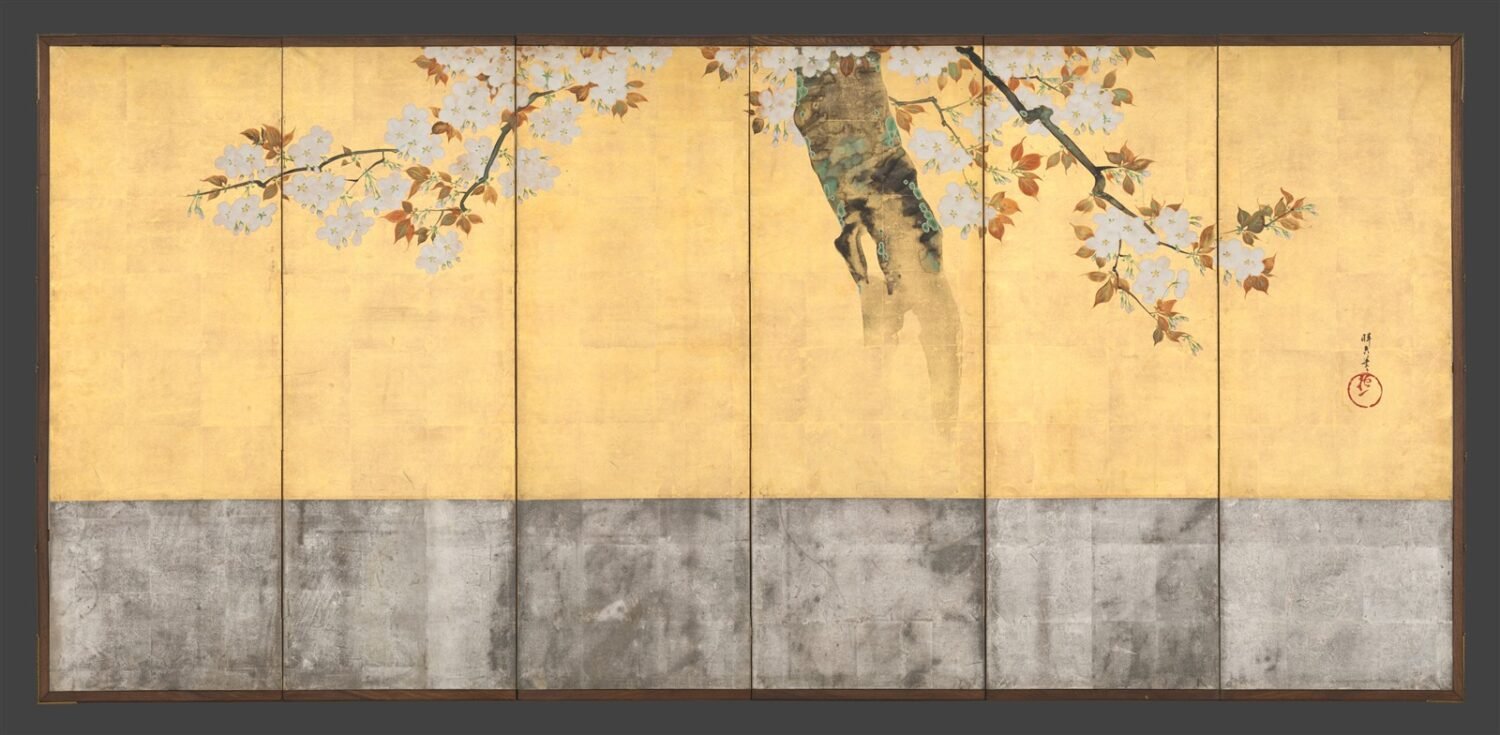
The Sumida Hokusai Museum: following one artist
The Sumida Hokusai Museum in Tokyo concentrates on Hokusai and his context. Its educational presentation helps visitors explore the artist beyond a single famous wave. Following one artist across varied subjects and formats can reveal how a visual vocabulary develops. It also encourages comparison between the familiar printed image and other aspects of an artist’s activity.
Use the official exhibition calendar to distinguish regular educational material from special exhibitions. A reproduction used for explanation and an original work have different roles, even when they show the same composition. Read the labels carefully and enjoy each for what it offers. Educational displays can clarify processes that are difficult to infer from a framed print alone.
Ōta Memorial Museum of Art: concentrated attention to Ukiyo-e
Ōta Memorial Museum of Art specializes in Ukiyo-e and organizes changing exhibitions. This focus makes it a useful destination for learning to compare print designs, artists, and themes. A concentrated selection can reveal differences that disappear when all Japanese prints are grouped together. Look for changes in line, color, subject, and the arrangement of text within the image.
Check the exhibition dates and any division into presentation periods. Different works may appear in different portions of a show. If one print is your main reason for visiting, consult the museum’s work list rather than relying only on the exhibition title. That small preparation can make the visit more satisfying and prevent assumptions about what is on view.
MOMAT: Japanese art in a modern setting
The National Museum of Modern Art, Tokyo, commonly called MOMAT, provides a route into modern Japanese art. Its collection displays and special exhibitions invite questions about changing artistic methods and contexts. After looking at historical prints or screens, a modern-art visit can help you avoid treating Japanese art as a tradition that stopped developing in the nineteenth century.
Compare how different works handle the figure, landscape, or painted surface. Do not assume that every modern image represents a complete break with older practices, or that every resemblance proves a direct influence. The museum’s labels supply documented connections. Your own close looking can then identify similarities and differences in the visible treatment of a subject.
A simple method for looking closely
Give one work more time than you initially think necessary. First describe its largest shapes and colors. Next, look for the main direction of movement. Finally, choose one small detail and ask how it supports the whole. This sequence keeps you from reading the label and moving on before you have really encountered the image.
Carry a small notebook if the museum permits it. Write a few descriptive words rather than trying to copy a full label. A quick diagram of the major shapes can be more useful than a hurried detailed sketch. Follow each museum’s rules on pencils, photography, bags, and distances from objects, and use the official visitor information before arrival.
Turning a visit into lasting visual knowledge
Afterward, choose one observation to carry into your next drawing or poster selection. Perhaps a small figure created scale, a gold ground organized space, or a repeated diagonal suggested rain. Apply that lesson to a subject from your own surroundings. A museum visit becomes more memorable when it changes a specific act of looking rather than remaining a list of famous names.
Bring the idea to your wall
Fuji Under Vermilion offers a contemporary image to revisit after exploring Japanese museum collections. Compare the mountain, open space, and strong color with the visual questions developed during your visit. Notice which shape attracts attention first and how the rest of the image supports it. This shop design belongs to an imaginary film archive and serves as a modern comparison rather than a museum reproduction.
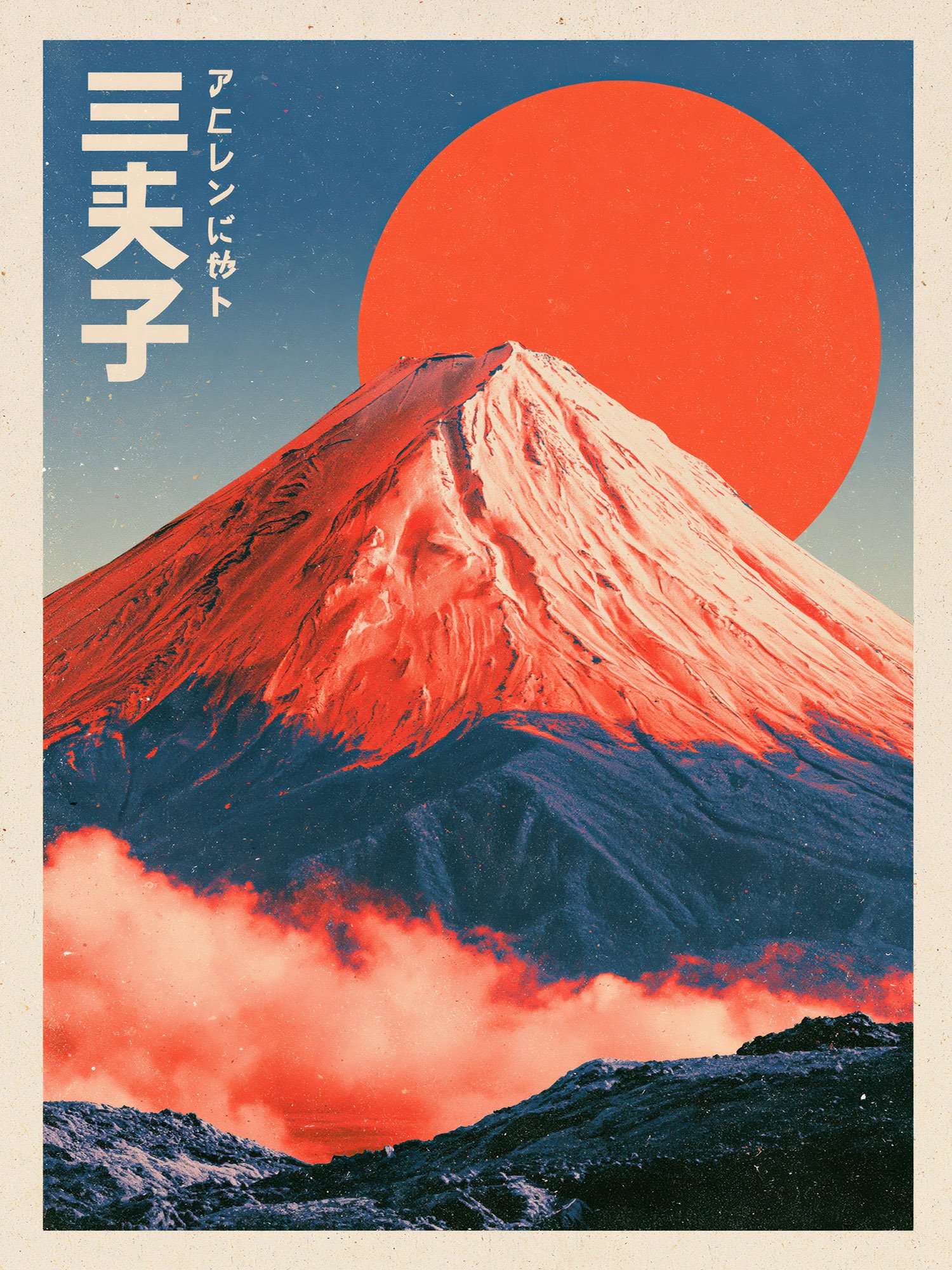
Shop artwork: a contemporary Japanese-inspired design from Japan Art Posters’ imaginary cinema archive.